
Auteur/autrice : Guilhem Chameyrat
-
Contemporary approaches to Beethoven’s Seventh: the examples of Kristiina Poska and Joe Hisaichi

Since the genuine paradigm shift brought about by the emergence of historically informed performance, significant changes have also taken place in the interpretation of music from the Classical period onwards. Beethoven was one of the first composers whose work was affected by these changing practices. This culminated in performances such as those by Frans Brüggen…
-
Bruno Walter, a Conductor of Life: a conversation with Rémy Louis
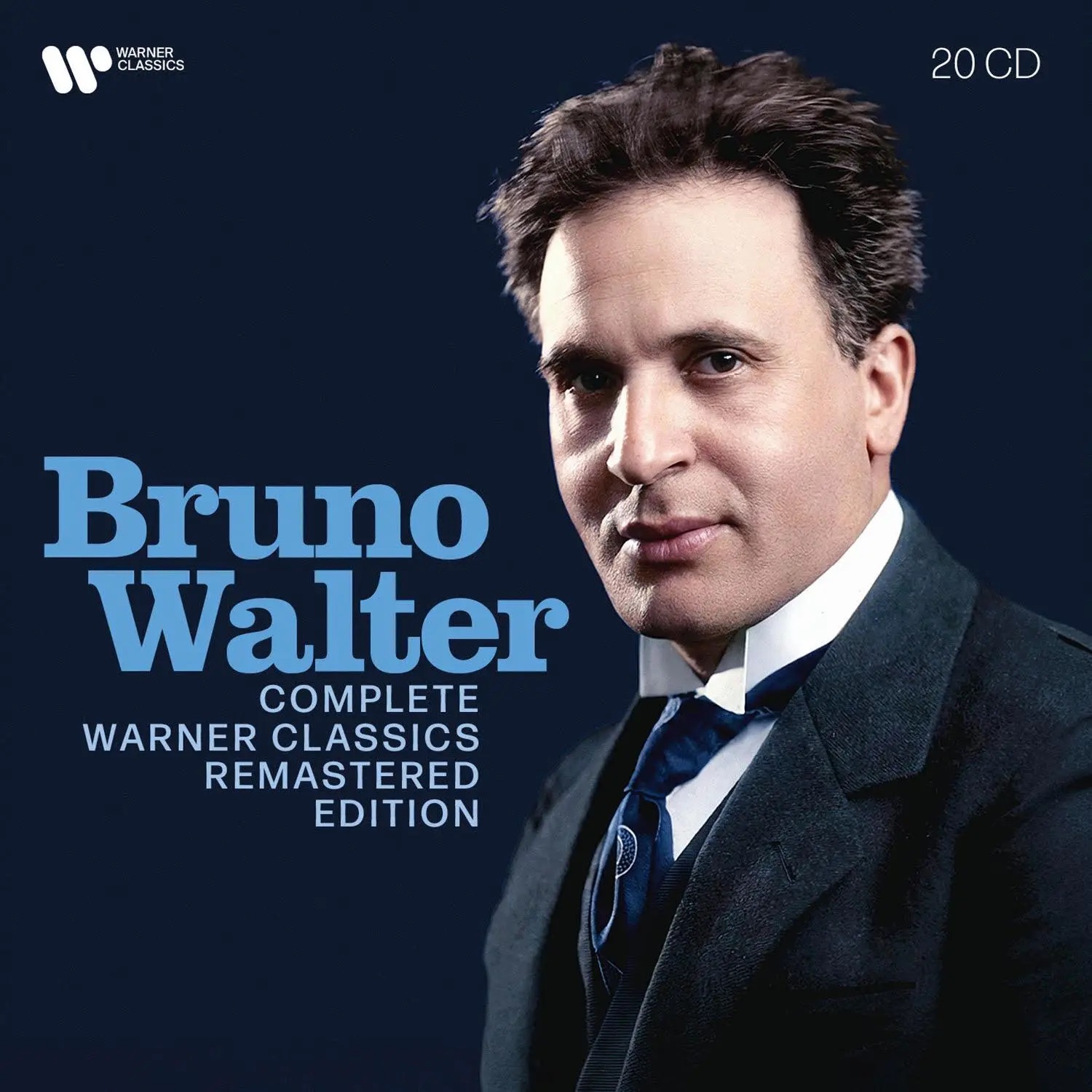
To mark the 150th anniversary of Bruno Walter’s birth on September 15, 1876, Warner Classics is reissuing all of the conductor’s recordings for HMV and Graphophone between 1924 and 1939, beautifully restored by Christophe Hénault from Studio Art et Son. To look back at this major period—undoubtedly the most striking and foundational of Walter’s career—I…
-
Towards an affective dimension of phenomenal authenticity: from sympathy to empathy in the interpretative gesture in art music
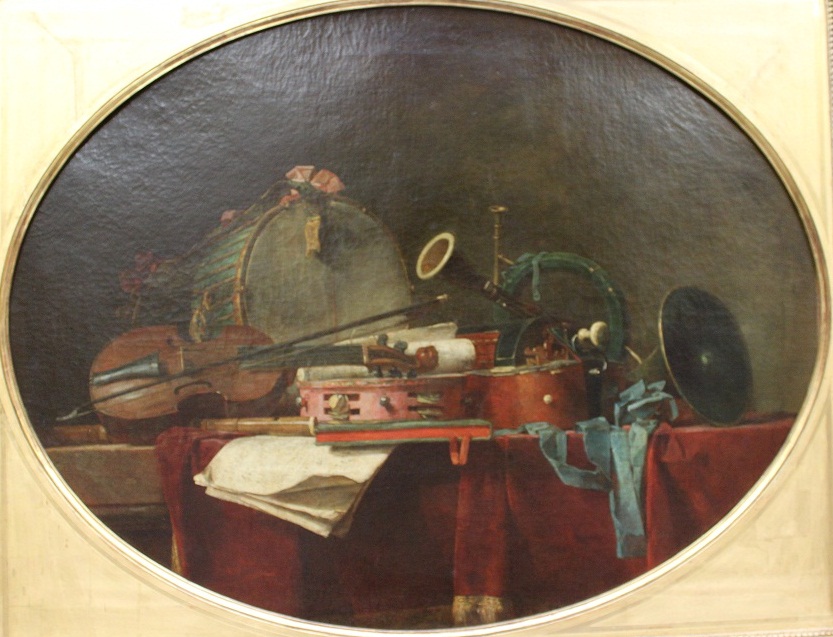
Jean Siméon Chardin, Les attributs de la musique civile (1767), 122 x 144 cm, Musée du Louvre, Paris. I would like to offer a supplement to my memoire, which has been available since June this year and which concluded with a quasi-aporetic attempt to propose an ethics of interpretation. Quasi-aporetic, because it was formulated in…
-
Herbert Blomstedt and the smile of Haydn Variations

BR Klassik, the Bavarian Radio label, has just released a recording of Brahms’s Variations on a Theme by Haydn, performed by the Bavarian Radio Symphony Orchestra conducted by Herbert Blomstedt. The BRSO is undoubtedly the finest orchestra in the world. With an ethereal texture whilst revealing a dizzying depth of sound, the ensemble’s tonal palette…
-
The Relevance and untimeliness of Richard Wagner’s Work: From the Pathological to Guilt, by Marta Vigano & Guilhem Chameyrat
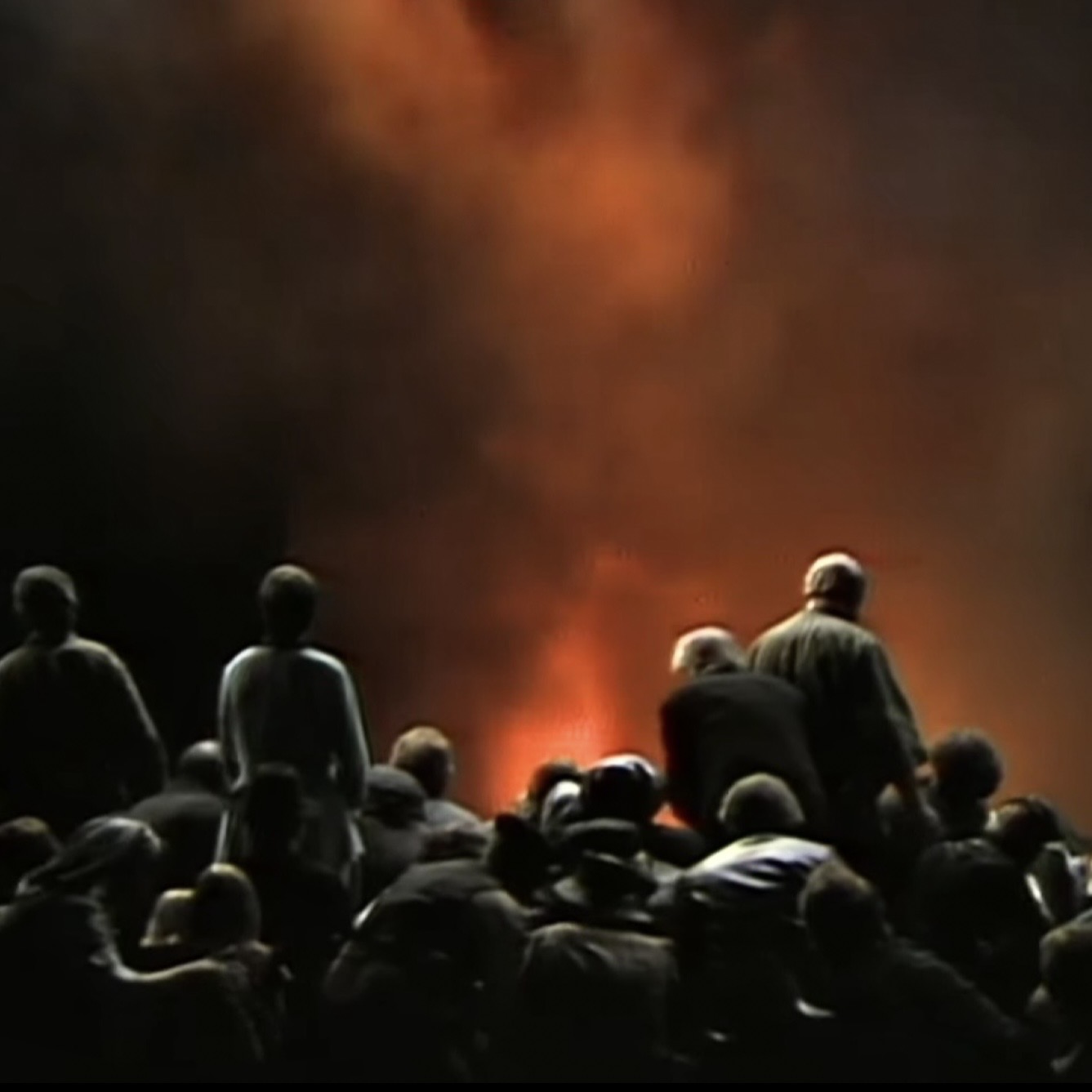
I am delighted to present here a philosophical research article, co-authored with Marta Vigano, on the interpretation and reception of Wagner’s work. It is the result of research carried out as part of a philosophy seminar at Sorbonne University. ABSTRACTThe aim of our research is to examine the philosophical implications, first of all, of a…
-
From One Aesthetic Paradigm to Another: Towards a Dual Dimension of Authenticity? The Case of the Interpretation of Art Music.

On 23 June, I defended my philosophy research memoire at Sorbonne University, entitled From One Aesthetic Paradigm to Another: Towards a Dual Dimension of Authenticity? The Case of the Interpretation of Art Music. The mémoire is available in full (120 pages) in French on the ‘Research’ page of the website. However, I am providing here…
-
Heroic, the genius Volodos has struck again!

After an early career which, through no fault of his own, had confined him to a virtuoso repertoire – limiting his public image to that of a technical prodigy – Arcadi Volodos has, in recent years, turned his attention to the great classical repertoire. For the pianist, this represented a quest for depth and truth,…
-
Seven masterpieces composed by women
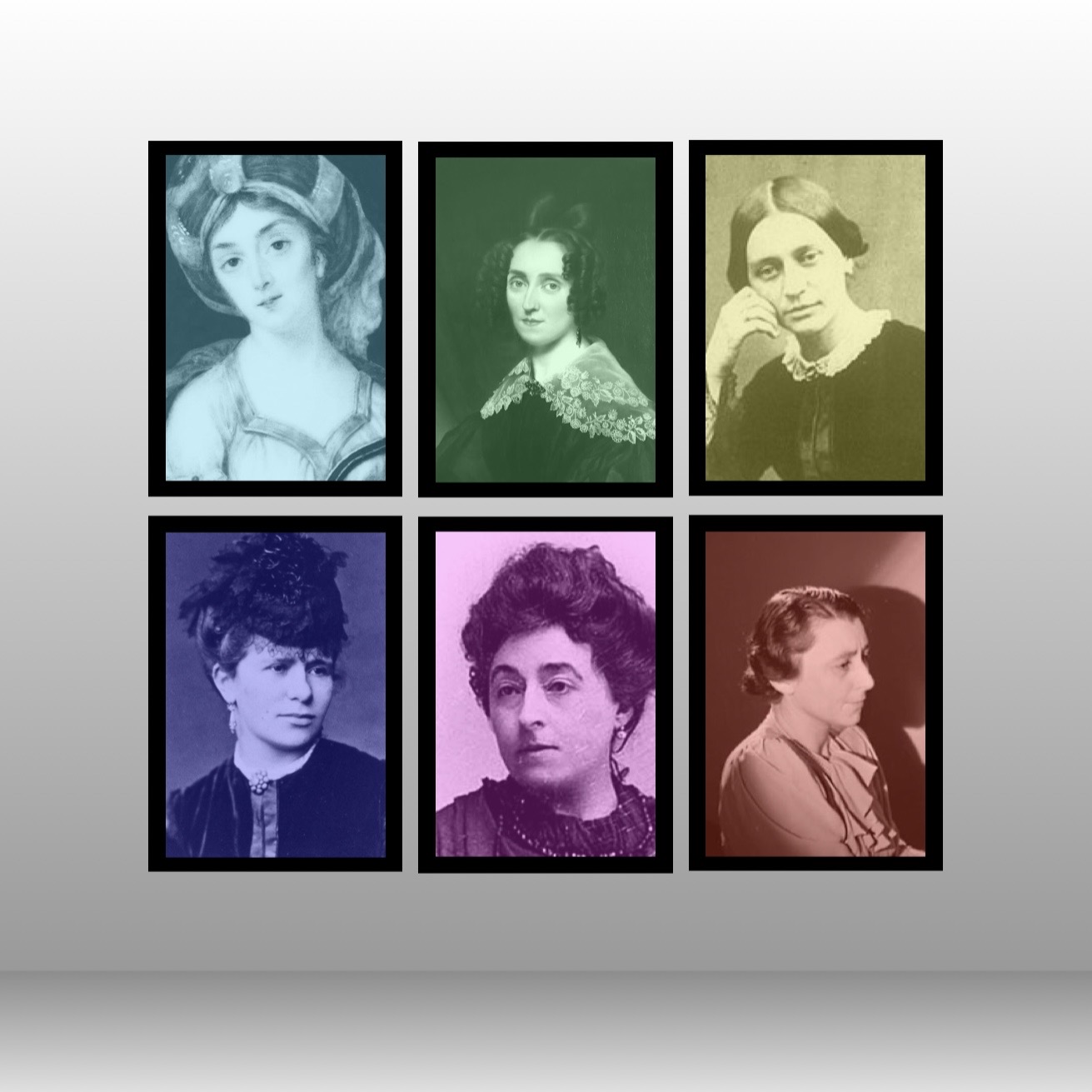
I’d like to invite you to explore seven works by female composers, each of which I’ll recommend alongside a reference recording. This article is therefore as much about discovering new compositions as it is about discussing interpretation. Hélène de Montgeroult (1764-1836) Piano Sonata No.9 in F-Sharp Minor, Op.5 No.3 A prominent figure in the salons…
-
With the same creativity as her ’Piano Heroines’, Claire Hungci delivers a magnificent album!

Following her splendid recordings of Bach’s Toccatas, released in 2021, Claire Huangci presents a complex programme, bringing together the voices of German composers Fanny Hensel (Mendelssohn) and Clara Wieck (Schumann) — the decision to separate their names from those of the composers with whom they are usually associated is undoubtedly significant — and American composers…
-
Furtwangler conducts Wagner

The original podcast (narration in French, English and German subtitles) When people talk about Furtwängler, a certain cliché springs to mind for far too many music lovers. Furtwängler is supposedly a ponderous, slow conductor, embodying the Germanic tradition and a sweeping, extreme expressiveness. He is thus often compared to Otto Klemperer and contrasted with Toscanini.…