
Étiquette : Beethoven
-
« Musical interpretation as creation »: an interview with Guilhem Chameyrat, founder of Sofronichrist media
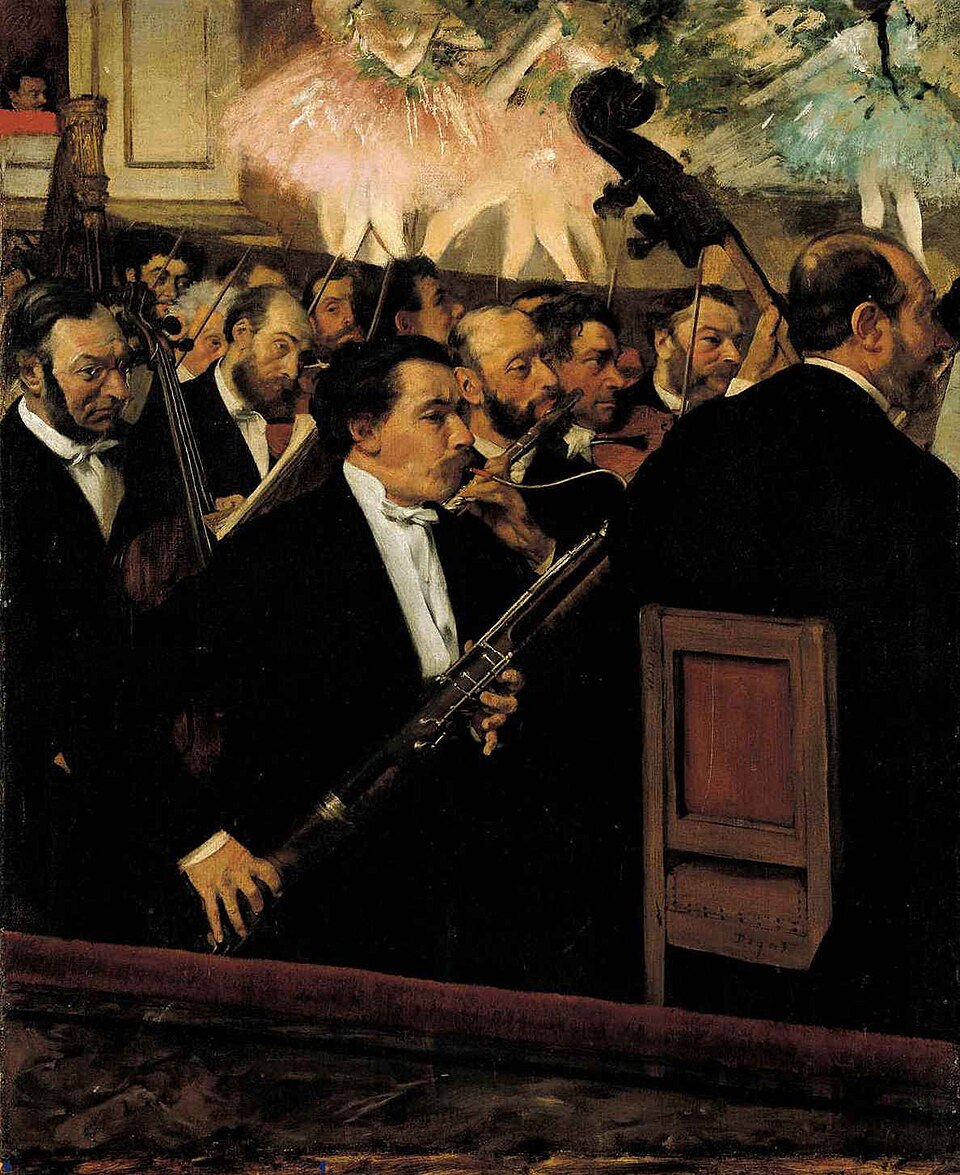
Edgar Degas, L’orchestre de l’opéra (1870), 56,5 x 46 cm, Paris, Musée d’Orsay Here are some translated excerpts from an interview I gave in French to Hélène Macaire, from the podcast ‘Business as an exciting work of art’. I discuss the possible philosophical implications (I hope) that arise when studying the phenomenon of musical interpretation, and…
-
Furtwangler conducts Beethoven
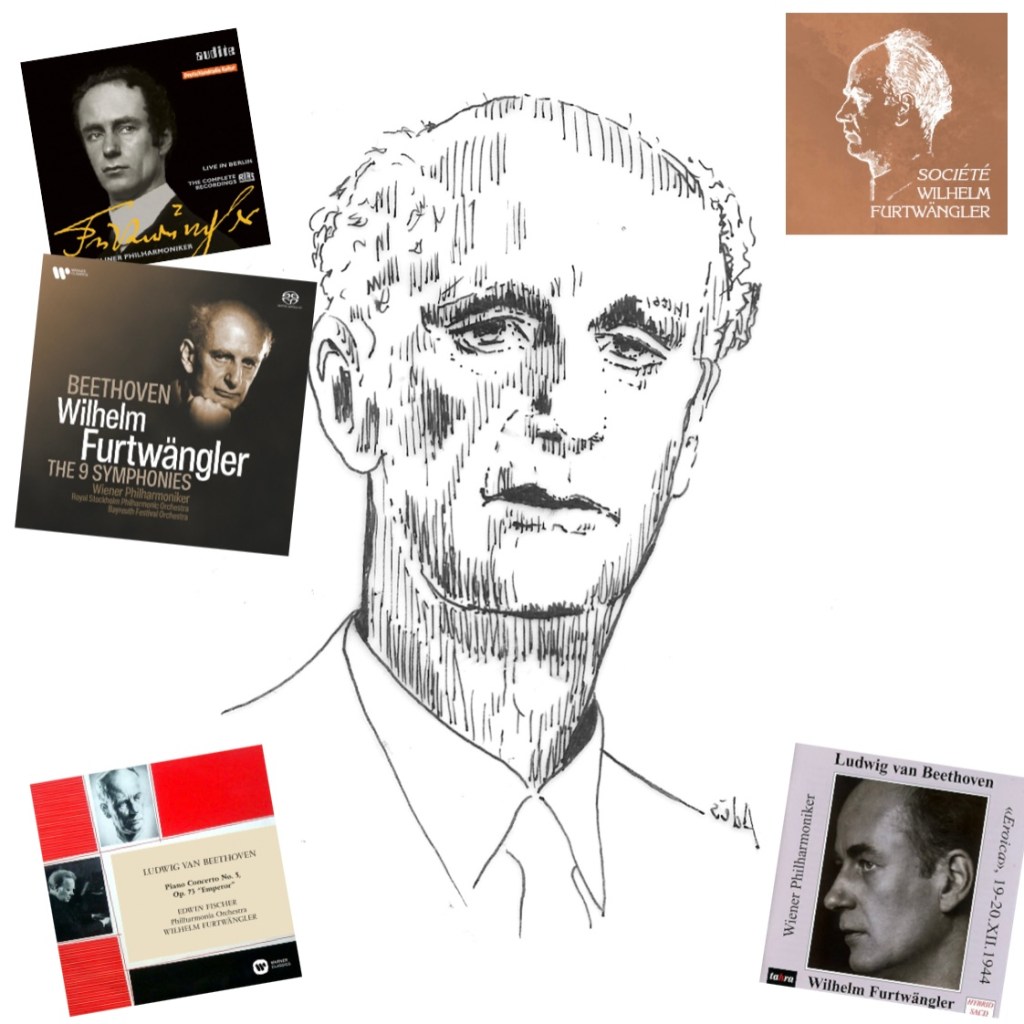
The original podcast (narration in French, English and German subtitles) After trying to show what made Furtwangler’s Brahms so special, I’d like to talk to you about the conductor’s vision of Beethoven’s symphonies, and why this vision, even if it’s a purely personal opinion, is as brilliant as it is problematic. Not in the sense…
-
Kristiina Poska continues her reference recording of Beethoven’s symphonies with the Flanders Symphony Orchestra
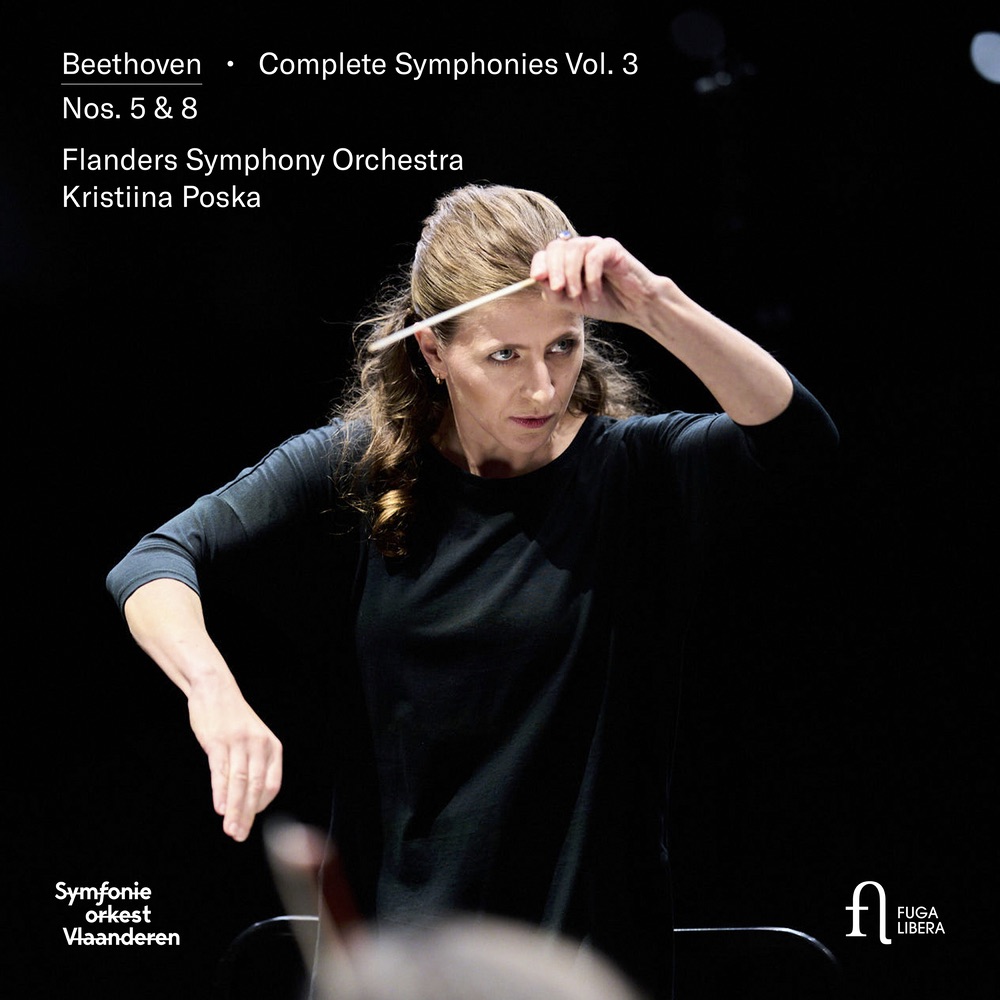
Kristiina Poska, conducting the Flanders Symphony Orchestra, seems to have embarked on the greatest recording of Beethoven’s symphonies since Frans Brüggen, confirming this once again with a new opus featuring Symphonies Nos. 5 and 8. The first volume was devoted to Symphonies Nos. 1 and 7. It offered a brilliant interpretation of the ‘Apotheosis of…
-
Alfred Brendel, a portrait
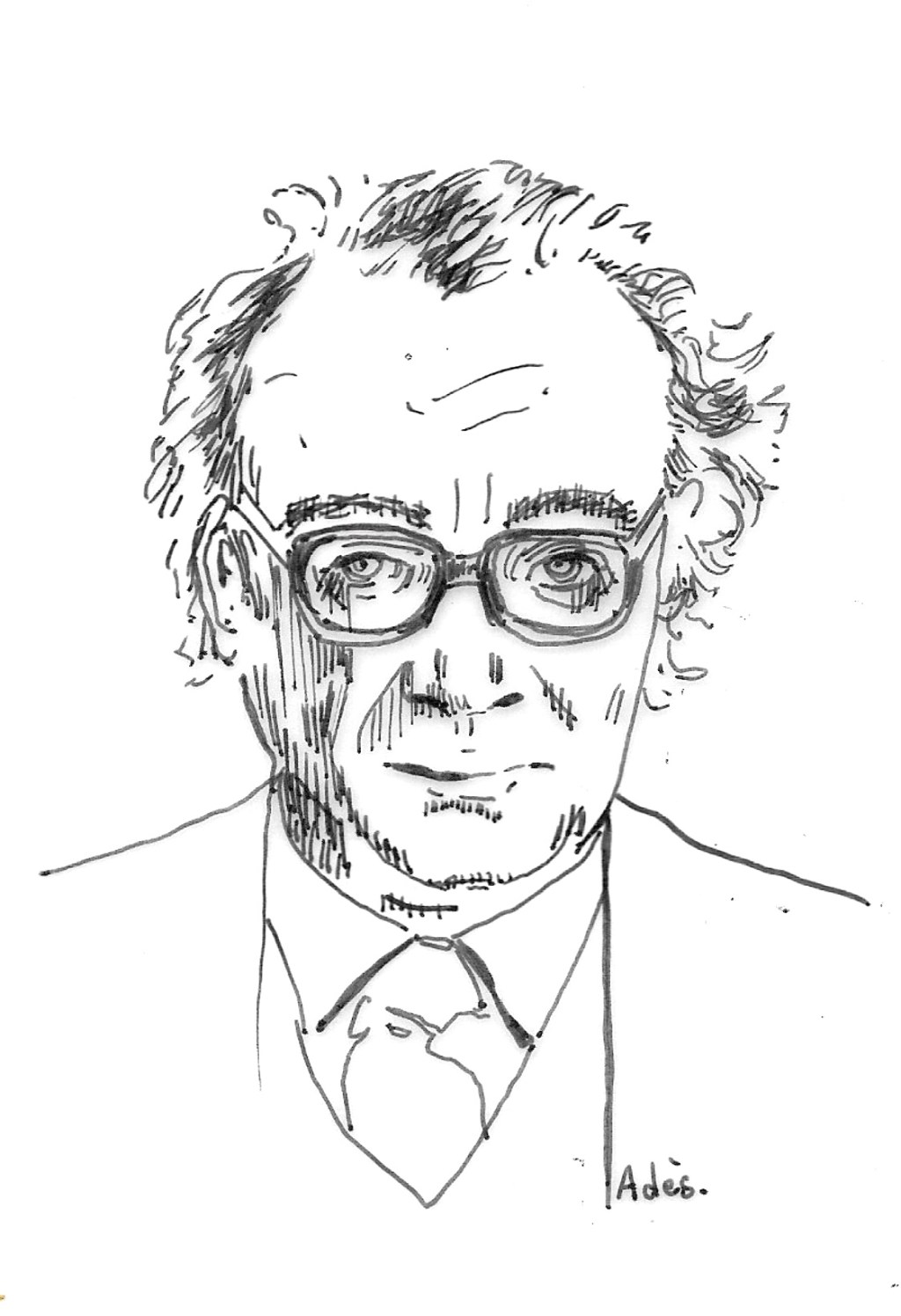
When we talk about a pianist who plays in a truly « pure » way, in the sense that nothing is altered, in other words, nothing is superfluous and everything serves the music, I think of Alfred Brendel. Born on 5 January 1931, Alfred Brendel left us on 17 June. He was universally respected for his interpretations,…
-
The art of Samuil Feinberg

Samuil Feinberg was an embodiment of the accuracy and intelligibility of the text. But even beyond the formal perfection, admittedly quite absolute, of his interpretations, the spirituality that emanated from them gave his readings of the great works of the repertoire an unheard-of depth. Feinberg was, like Artur Schnabel, both an important, if long forgotten,…
-
Alfred Cortot commenting Beethoven’s Moonlight Sonata
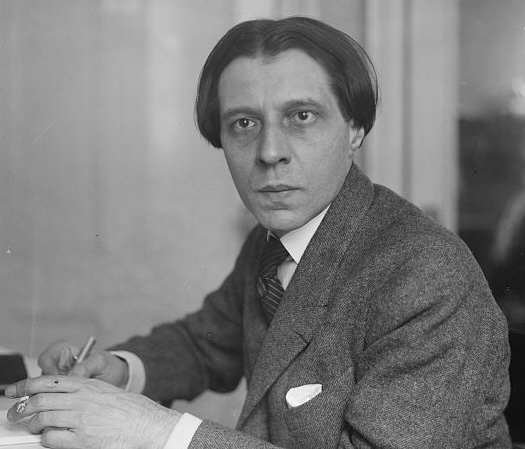
On 13th January 1958 and 4th June 1959, Alfred Cortot recorded this commentary on Beethoven’s Moonlight sonata, Op.27 No.2. In the order of the article, the French transcription is presented, followed by the English translation. The Masterclass with the commentary in French Original version / Transcription originale en français Sonate Quasia una fantasia, Opus 27…
-
Deutsche Grammophon releases two « lost tapes » of Rudolf Serkin playing Beethoven’s « Waldstein » and « Appassionata » Sonatas
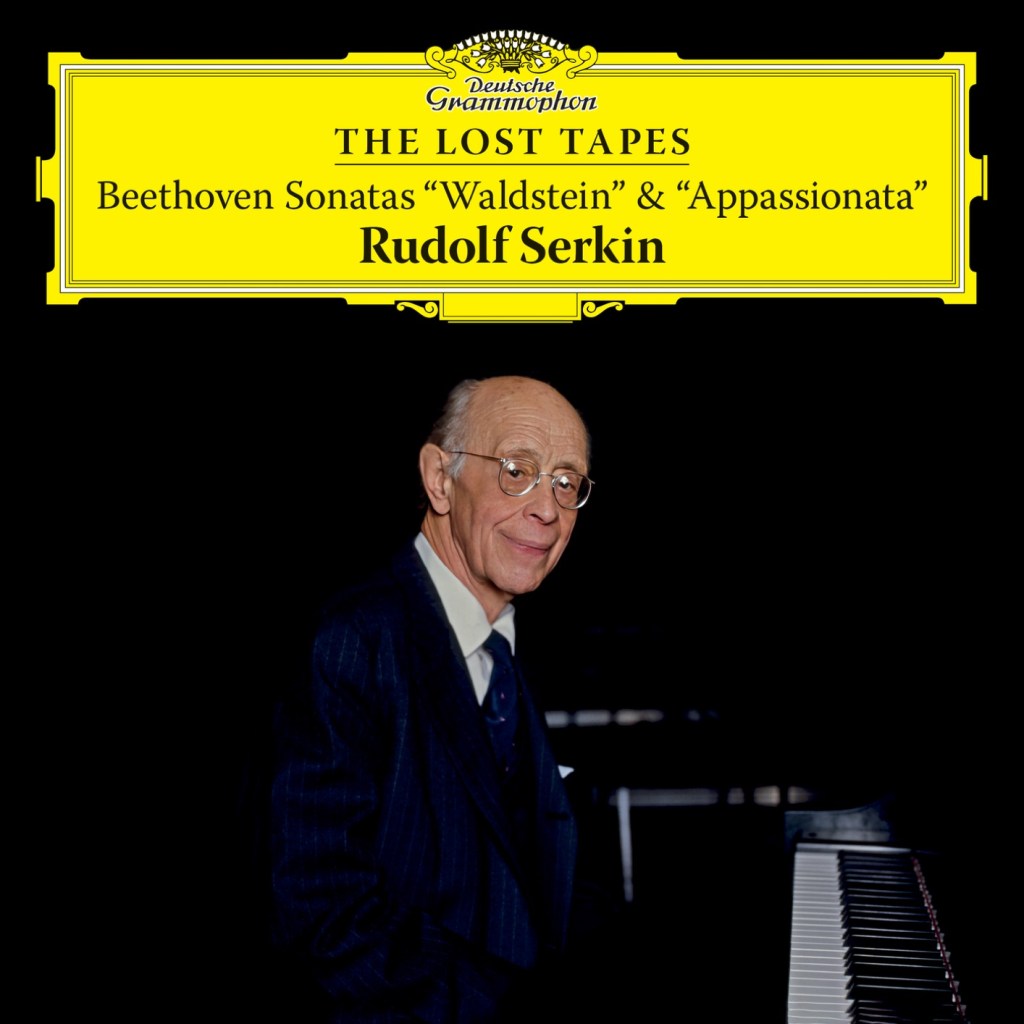
On this Friday 17th November, Deutsche Grammophon released two « lost tapes » by Rudolf Serkin, dated 1986 and 1989. The album contains two previously unreleased versions of the ‘Waldstein’ and ‘Appassionata’ sonatas, which the pianist was unable to validate. His daughter, Judith Serkin, agreed to publish these recordings, and also wrote the introductory text that appears…
-
Alfred Cortot commenting Beethoven’s Pathetique Sonata
At the École Normale de Musique de Paris, on 11 January 1958, 3 May 1959, 13 and 14 June 1960, Alfred Cortot recorded this commentary with musical examples explaining Beethoven’s ‘Pathétique’ Sonata. Here is the transcription.First, here is the original version, the English version is available just below. The Masterclass with the commentary in French…
-
A legendary recording: Kempff plays Beethoven’s «Hammerklavier» Sonata in 1936
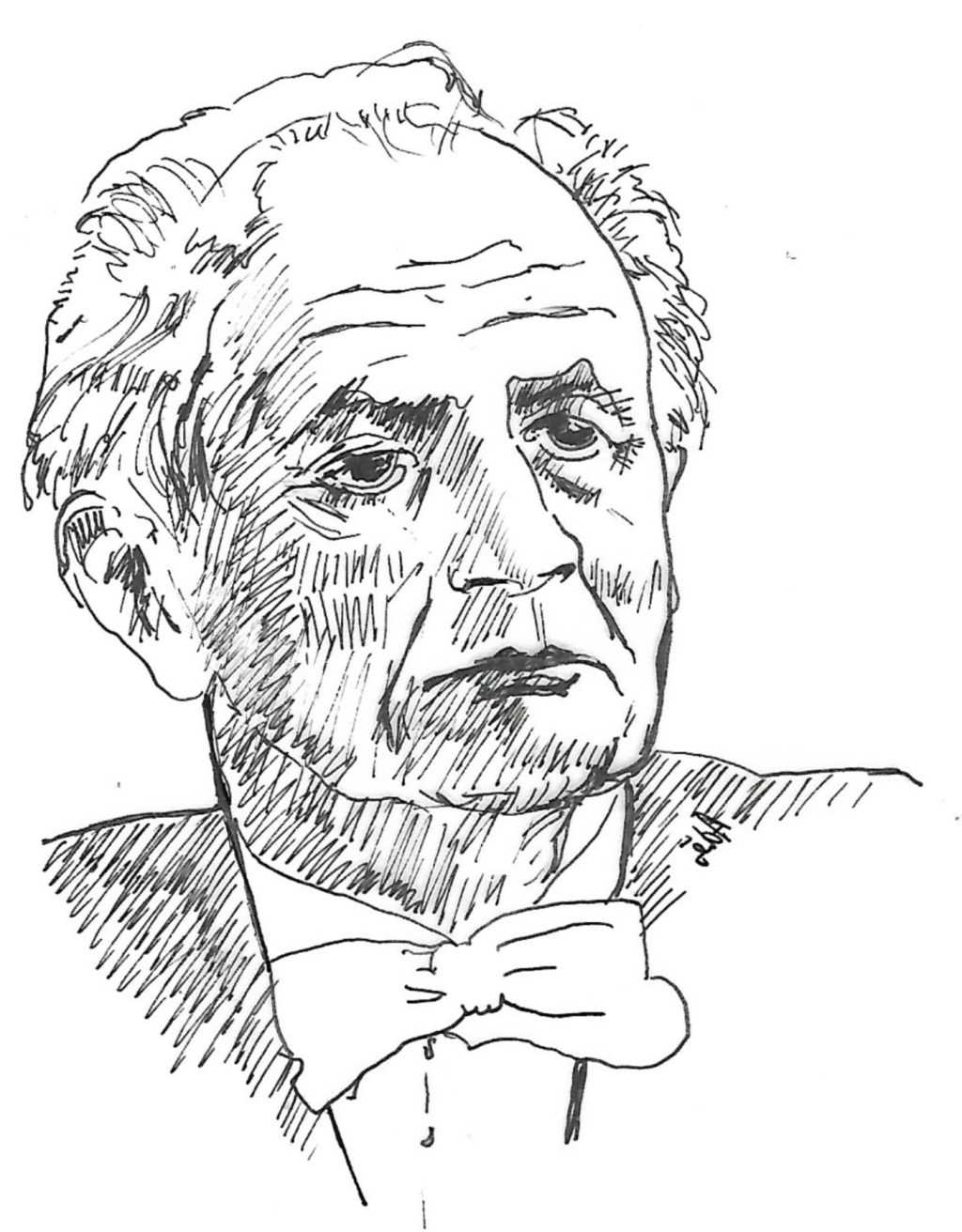
It is astonishing to note that Wilhelm Kempff’s style has only become wiser. However, it would be more accurate to say that it was a step towards wisdom. In the great German master’s late recordings, ardour has given way to idealism, but imagination has never dried up. Where many pianists would be confined to a…
-
Alfred Cortot masterclass on Beethoven’s Appassionata ( transcribed and translated by Bruno Pancek & Roy Howat )
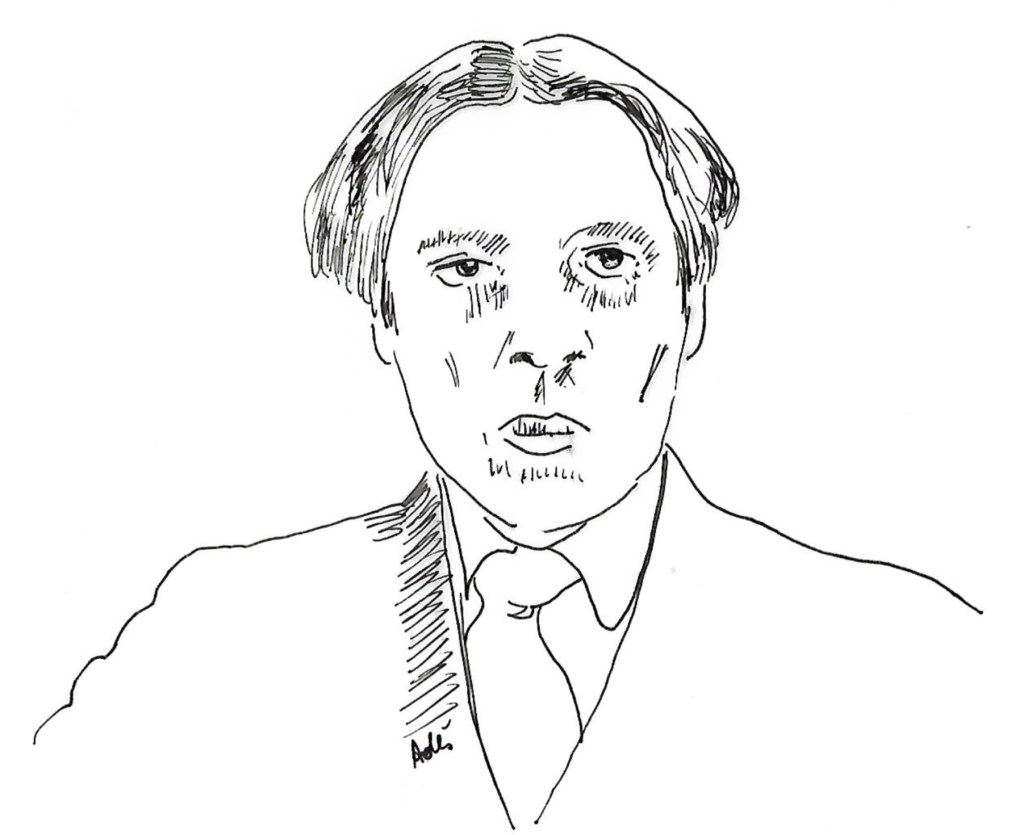
At the École Normale de Musique de Paris, on 21 and 24 march 1958 and 8 June 1959, Alfred Cortot recorded this commentary with musical examples explaining Beethoven’s ‘Appassionata’ Sonata. Here is the English transcription by Bruno Pancek and Roy Howat. Special thanks to Inbar Rothschild. 10’-16’Beethoven himself has given the interpreter (on this fabulous…
 Sofronichrist