
- Concerts
- Dance & Ballet
- Discographies & Comparisons
- In partnership with the Furtwängler Society
- Legendary recordings
- New records
- Opera
- Orchestra
- Piano
- Portraits
- Reviews
- Technical and philosophical aspects
« Musical interpretation as creation »: an interview with Guilhem Chameyrat, founder of Sofronichrist media
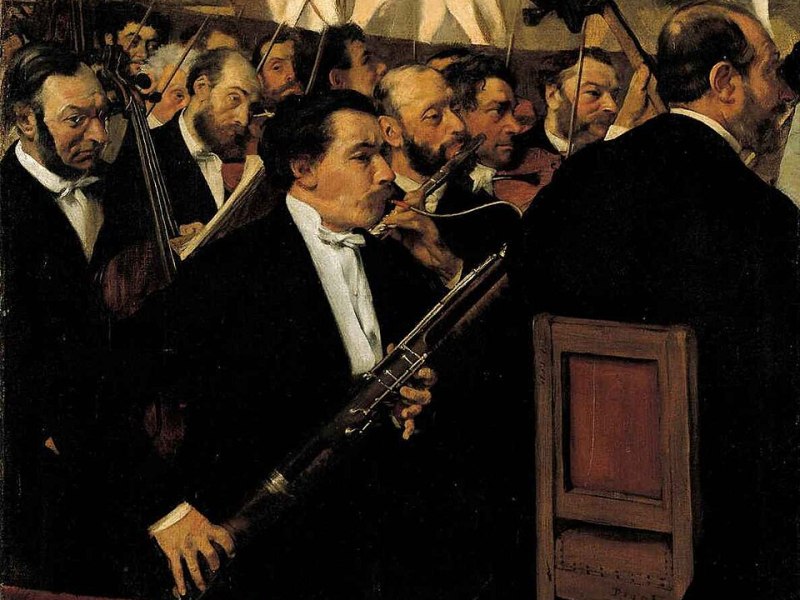
Edgar Degas, L’orchestre de l’opéra (1870), 56,5 x 46 cm, Paris, Musée d’Orsay Here are some translated excerpts from an interview I gave in French to Hélène Macaire, from the podcast ‘Business as an exciting work of art’. I discuss the possible philosophical implications (I hope) that arise when studying the…
Keep reading
The identity of a choreographic work put to the test by French technique and the Vaganova method
French version, following by the english one L’identité d’une œuvre chorégraphique à l’épreuve de la technique française et de la méthode Vaganova. Par Mihn Mabut « Alors que je ne cherche qu’à offrir le meilleur spectacle possible […] il m’arrive souvent d’introduire quelques nouvelles combinaisons de pirouettes ou des sauts que…
Keep reading
Alfred Brendel, a portrait
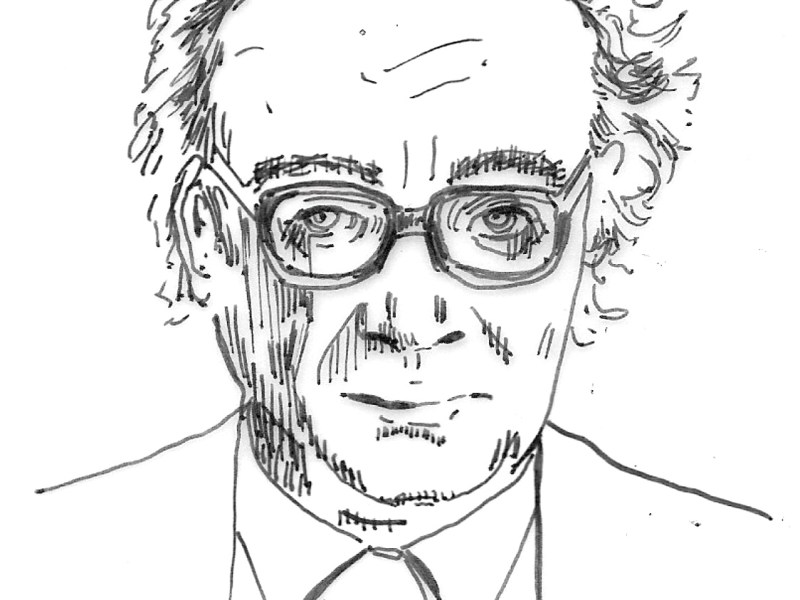
When we talk about a pianist who plays in a truly « pure » way, in the sense that nothing is altered, in other words, nothing is superfluous and everything serves the music, I think of Alfred Brendel. Born on 5 January 1931, Alfred Brendel left us on 17 June. He was…
Keep reading
Wagnerian musical drama in the orchestra, the virtues of lightness
It is true, Wagner past his conductor life a to make the adversary of Mendelssohn, apostle of an approach all in vivacity and light tempi. No, Wagner was not an advocate of fast tempi, any more than he was an advocate of lightness. But what Wagner wanted above all was…
Keep reading
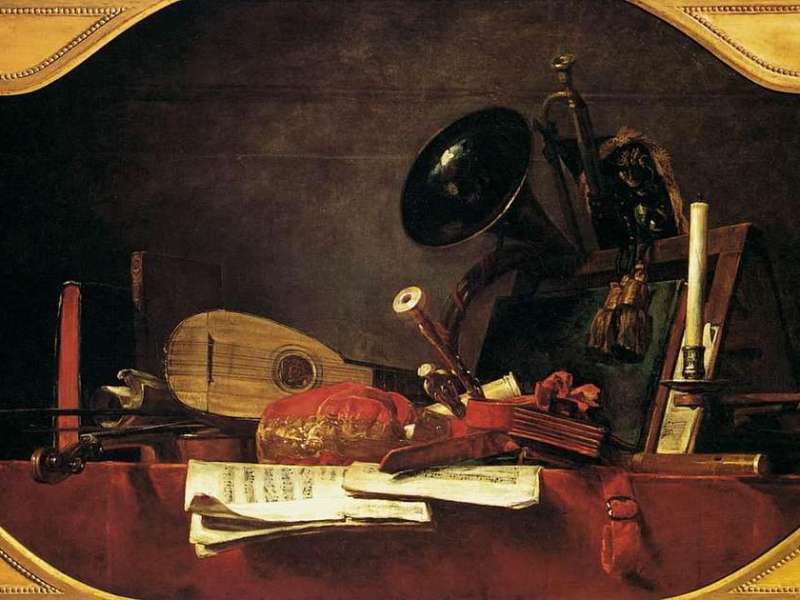
Two theoretical approaches (and a number of problems)
Jean Baptiste Siméon Chardin, Les Attributs de la musique (1765), Paris, Musée du Louvre Table of content Introduction Theoretical errors and the (attempted) historical situation of these approaches About the composition itslef Perception is primarily sensible: the contingent nature of interpretation (and the dangers of a dogmatic approach) When an…
Keep reading

50 versions of Schumann’s Fantasy
Schumann’s Fantasy is a work truly apart in the composer’s oeuvre. It is perhaps the least illustrative and the least programmatic of the composer’s works, but the most contemplative as well as the most passionate. Composed in two distinct phases – first the first movement, to be played with intensity…
Keep reading
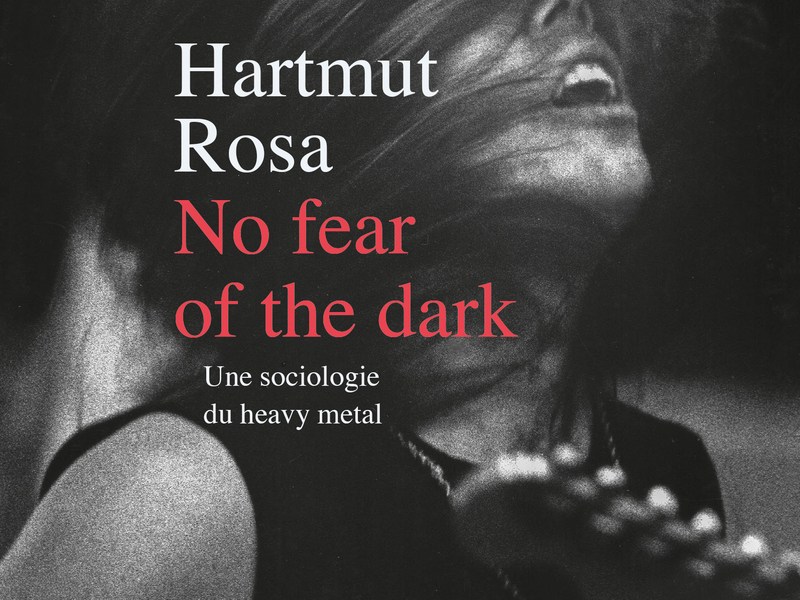
No fear of the dark: what we, classical music listeners, have in common with heavy metal (and what heavy metal owes to classical music)
The German sociologist Harmut Rosa, director of the Max-Weber-Kolleg in Erfurt, heir to the prestigious and renowned Frankfurt School – where, at the instigation of Horkheimer and Adorno, critical theory was born, a method aimed at including the discoveries and advances of sociology in contemporary philosophy – recently published No…
Keep reading
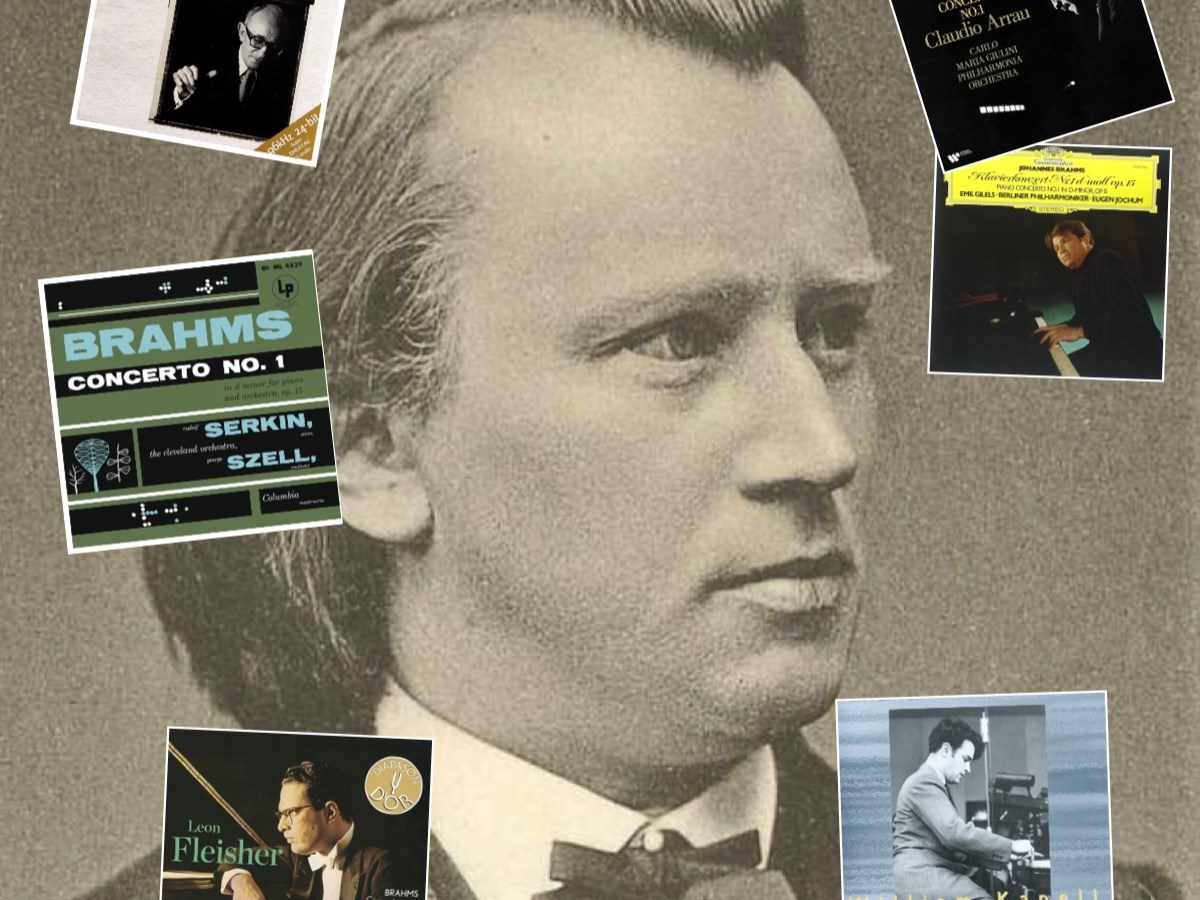
Blind listening to Brahms’ first Piano Concerto
When preparing a blind listening session, there is always the question of which versions to choose. In the case of Brahms’s First Piano Concerto, there is no shortage of versions. I have chosen not to select the really old versions, recorded on 78 rpm. It’s not that they don’t have…
Keep reading
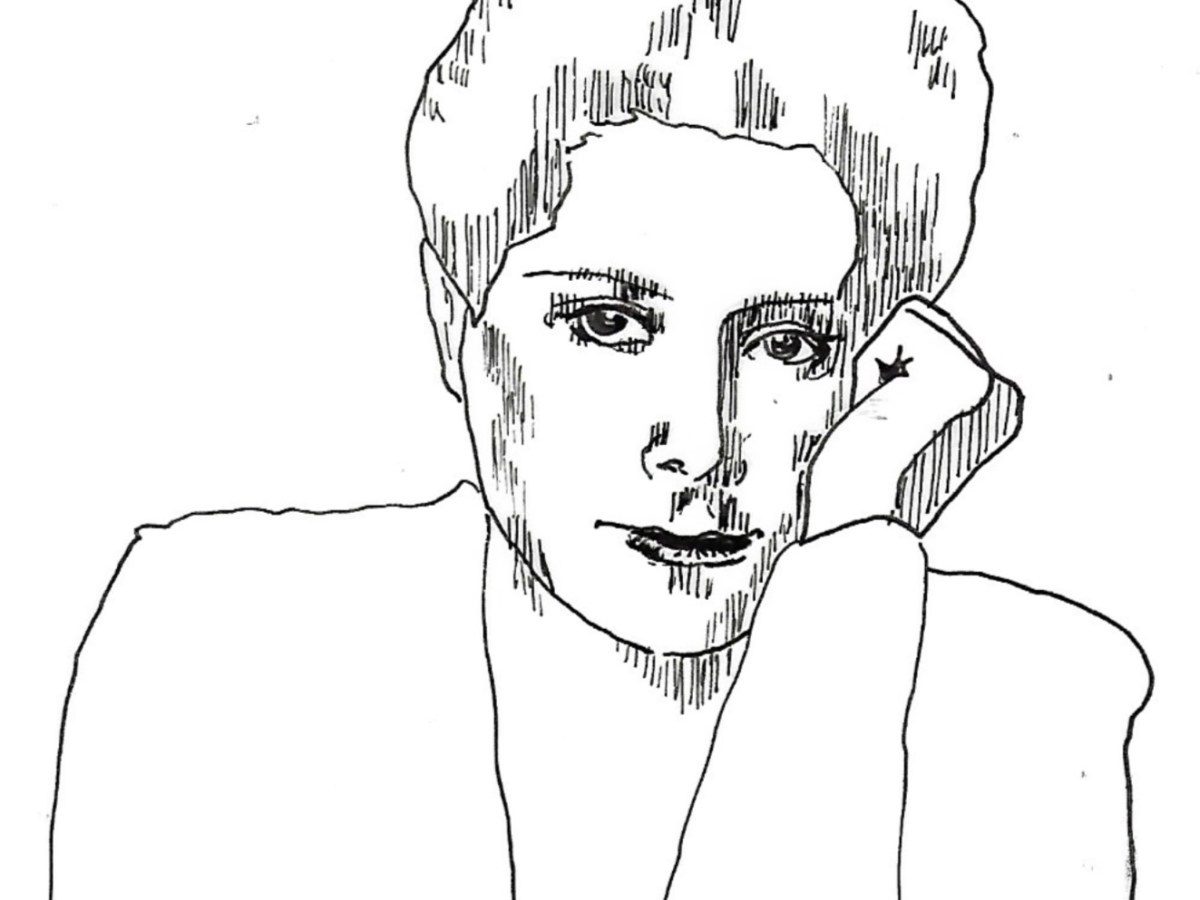
Chopin by Guiomar Novaes
Guiomar Novaes (1895-1972) was an incarnation of the most absolute Romantic pianism, between possession and tenderness, caught up in emotional tensions that were at once incandescent and uncertain, at once fragile and determined. While Novaes’ discographic legacy is – unfairly and far too meagre – it remains an important sum…
Keep reading
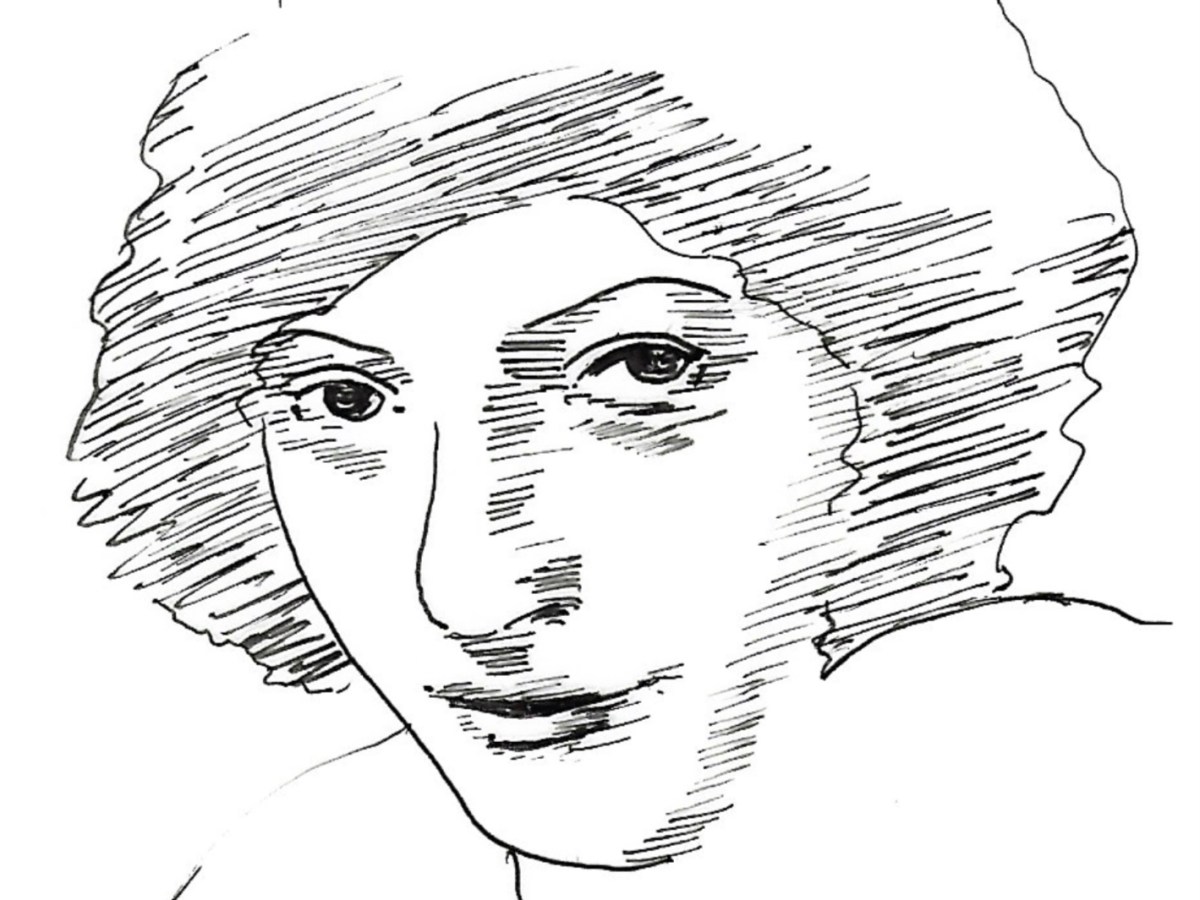
The art of Clara Haskil
Clara Haskil is an artist who is not to be missed. She is one of those personalities who have left their mark on the history of performance and who have had a considerable impact on the pianists who have followed them. Haskil was a highly inspired pianist from an early…
Keep reading
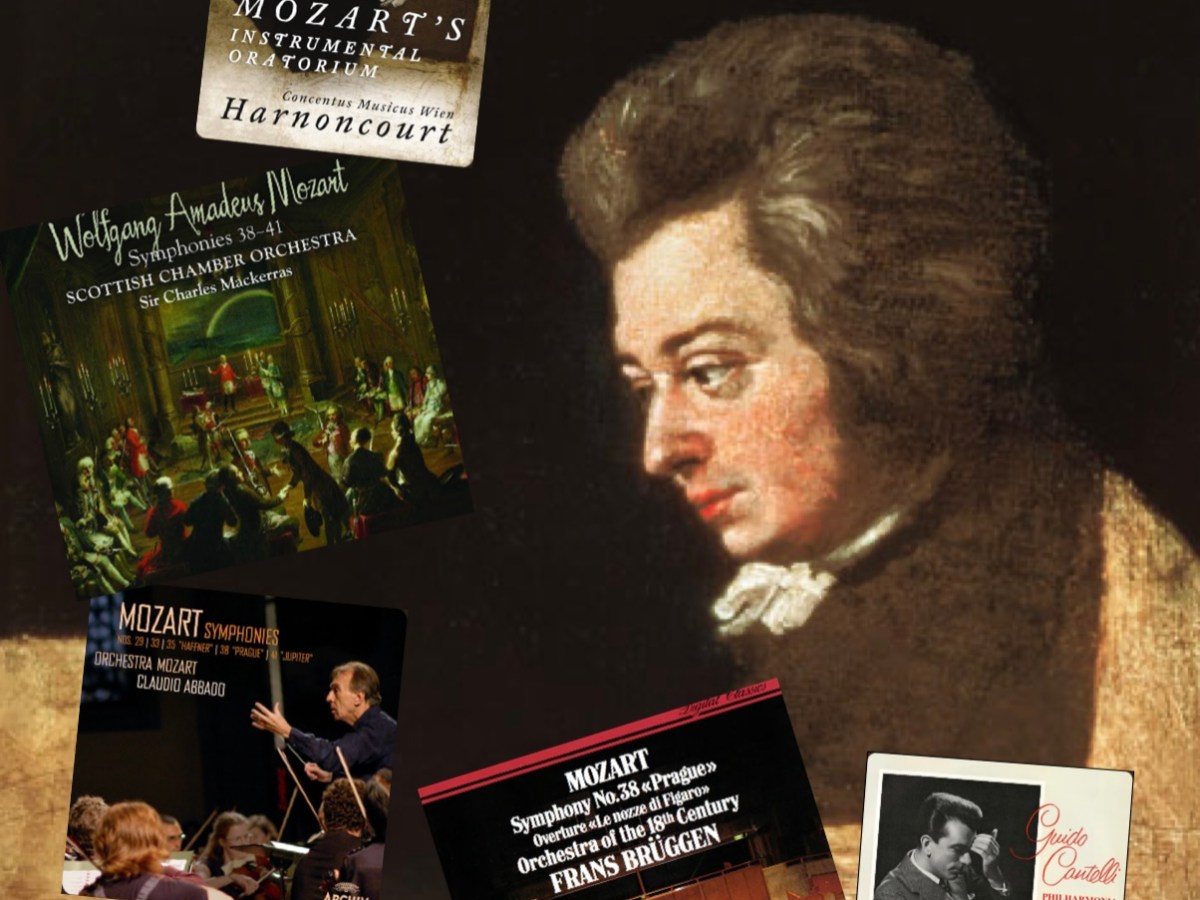
Interpretations of Mozart’s symphonies, from the Golden Age to period instruments
Mozart’s symphonies seem to be imbued with a certain idea of perfection, a quest for intelligibility. There’s no denying that these are works with a certain physical impact – and it’s no coincidence that Mozart’s harmonies even have beneficial effects on plants, and are even used in New Zealand to…
Keep reading
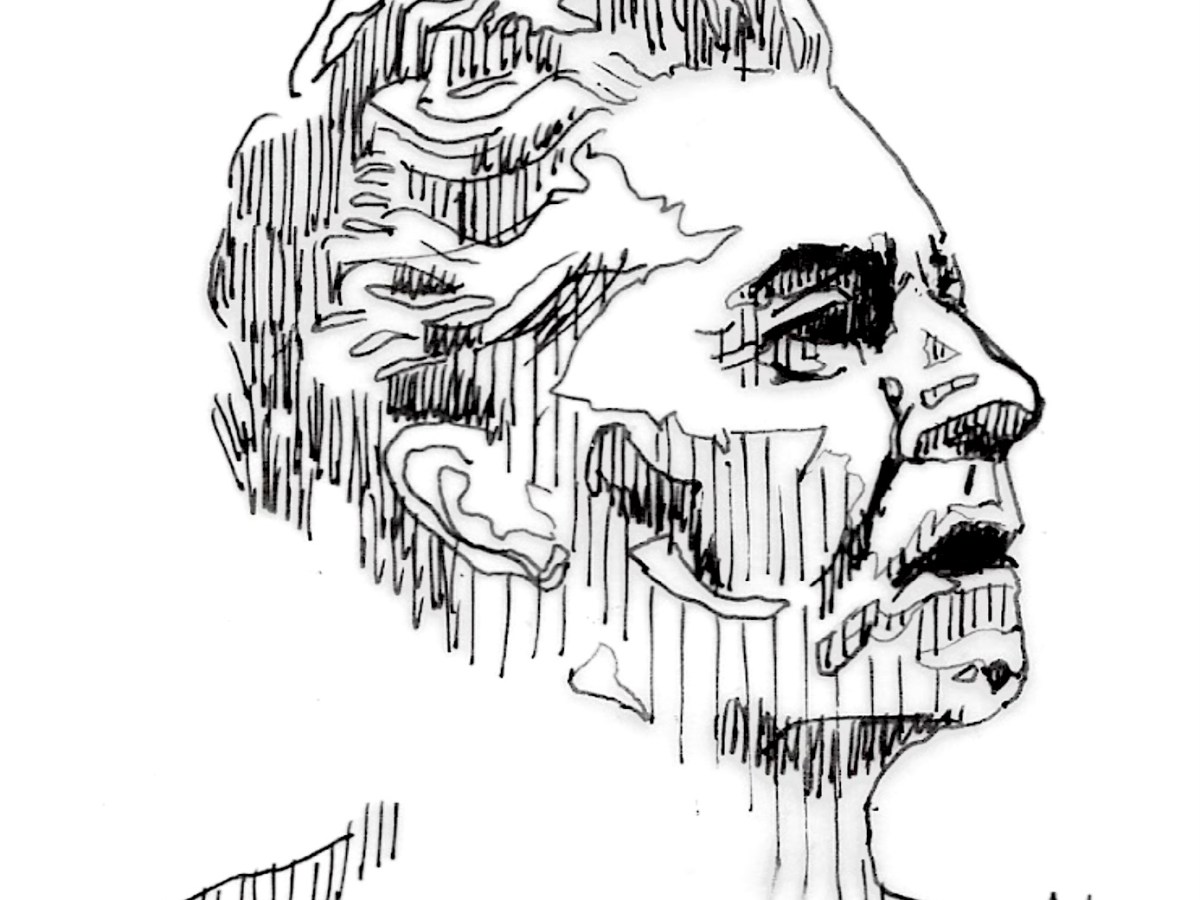
Herbert von Karajan, the live recordings
Herbert von Karajan is, along with Leonard Bernstein, perhaps the most significant figure in conducting in the second half of the 20th century. With over two hundred million albums sold, Karajan was what you might call a real star, and yet I never really got into most of his commercial…
Keep reading
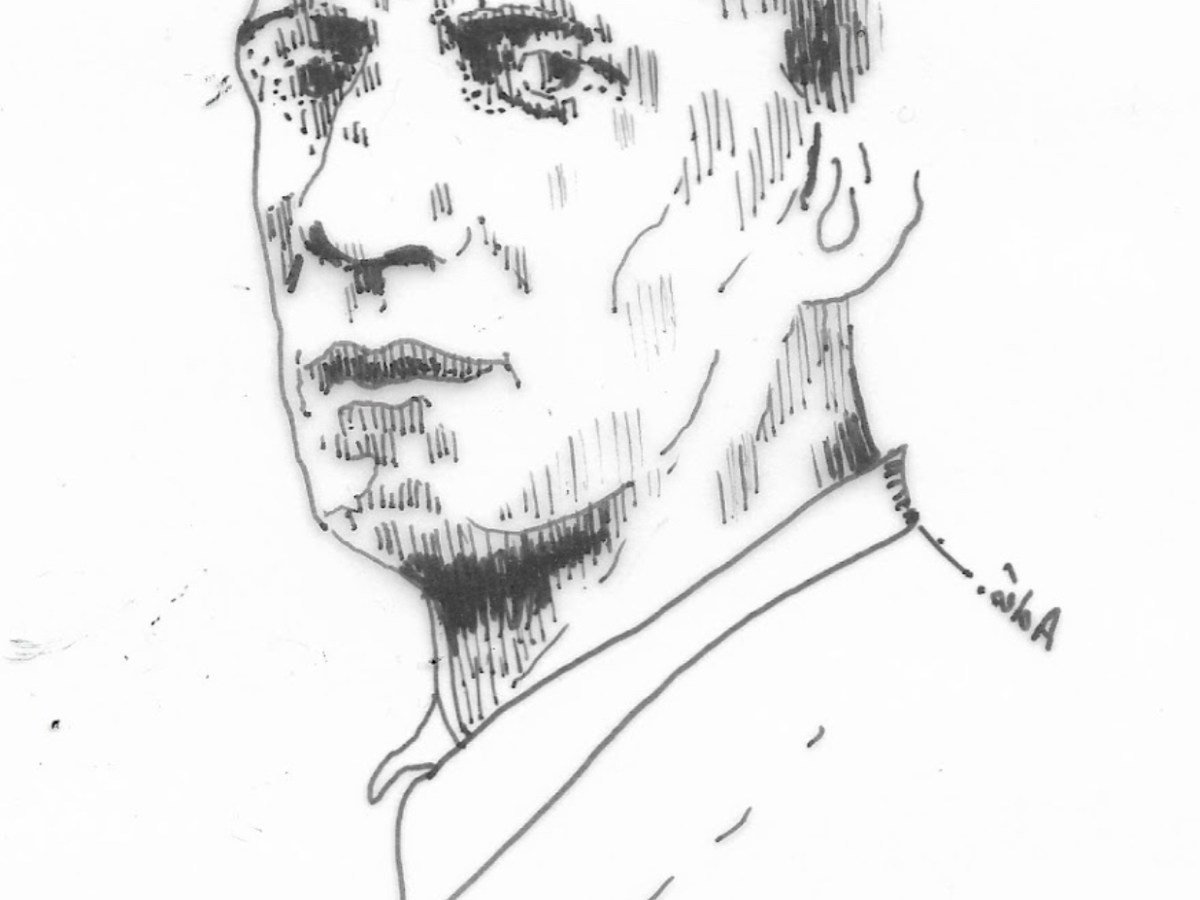
A legendary recording: Mitropoulos conducts Mahler’s Tragic Symphony
The career of Mitropoulos, the great conductor of the prestigious New York Philharmonic, took a tragic turn when, in 1957, he was attacked by the press for his private life – he was homosexual. He was forced to resign and was replaced by his protégé Leonard Bernstein, and his recordings…
Keep reading
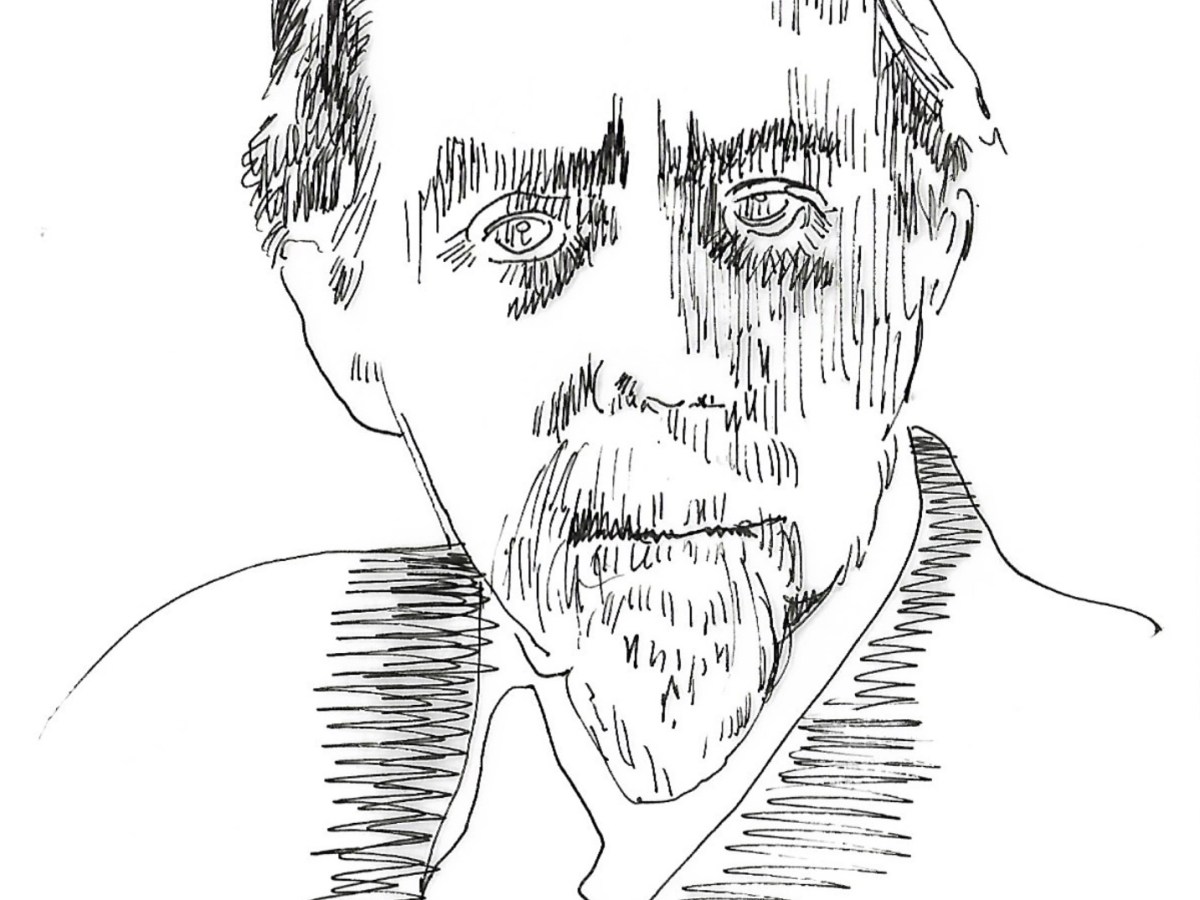
The art of Samuil Feinberg
Samuil Feinberg was an embodiment of the accuracy and intelligibility of the text. But even beyond the formal perfection, admittedly quite absolute, of his interpretations, the spirituality that emanated from them gave his readings of the great works of the repertoire an unheard-of depth. Feinberg was, like Artur Schnabel, both…
Keep reading
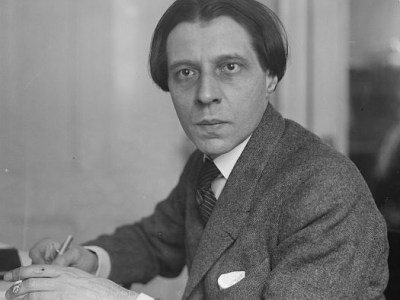
Alfred Cortot commenting Beethoven’s Moonlight Sonata
On 13th January 1958 and 4th June 1959, Alfred Cortot recorded this commentary on Beethoven’s Moonlight sonata, Op.27 No.2. In the order of the article, the French transcription is presented, followed by the English translation. The Masterclass with the commentary in French Original version / Transcription originale en français Sonate…
Keep reading
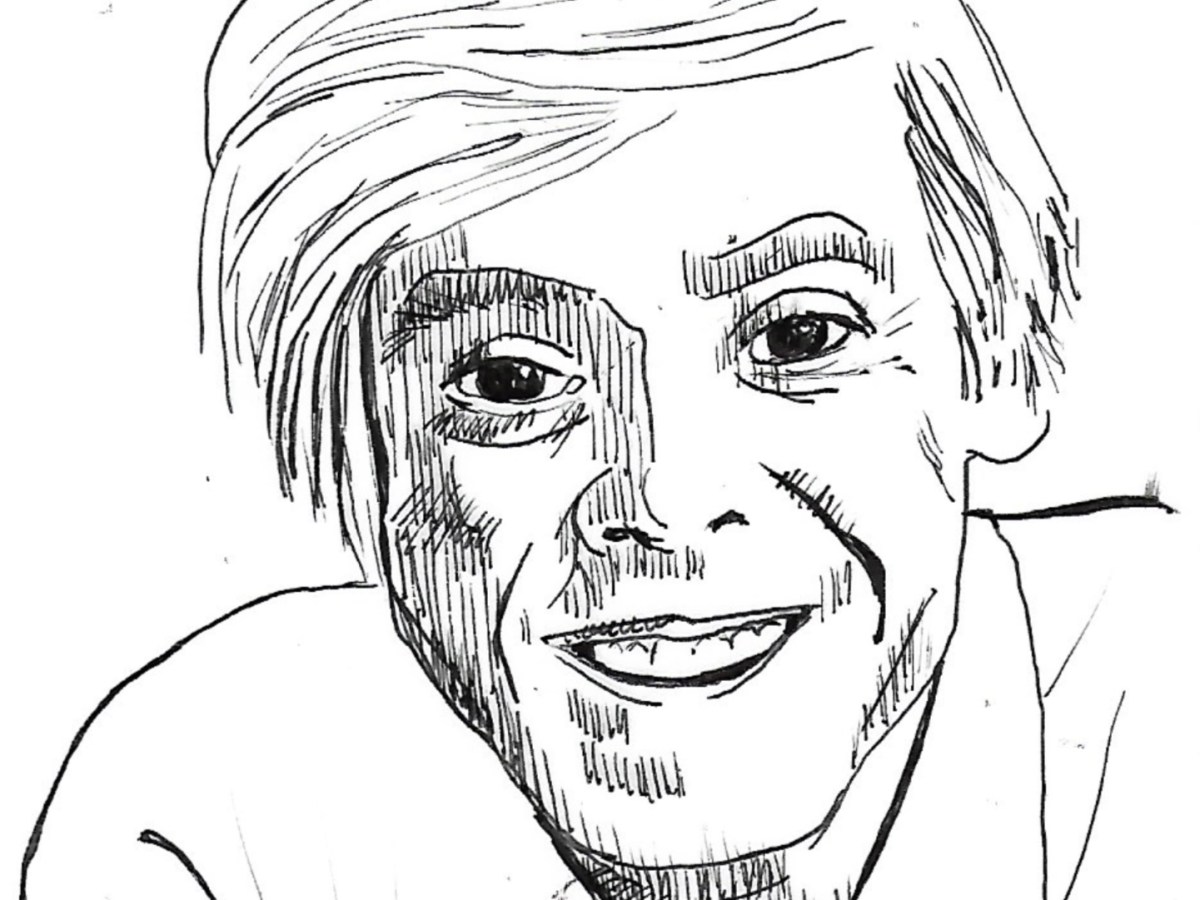
A legendary recording: Bruggen conducts Mozart
Frans Bruggen is one of the most singular exponents of historically informed conducting – in other words, conducting with period instruments. The conductor has shown that it is not an oxymoron to be a ‘barroqueux’ while claiming Furtwangler as his main inspiration. There is an organic vision of music in…
Keep reading
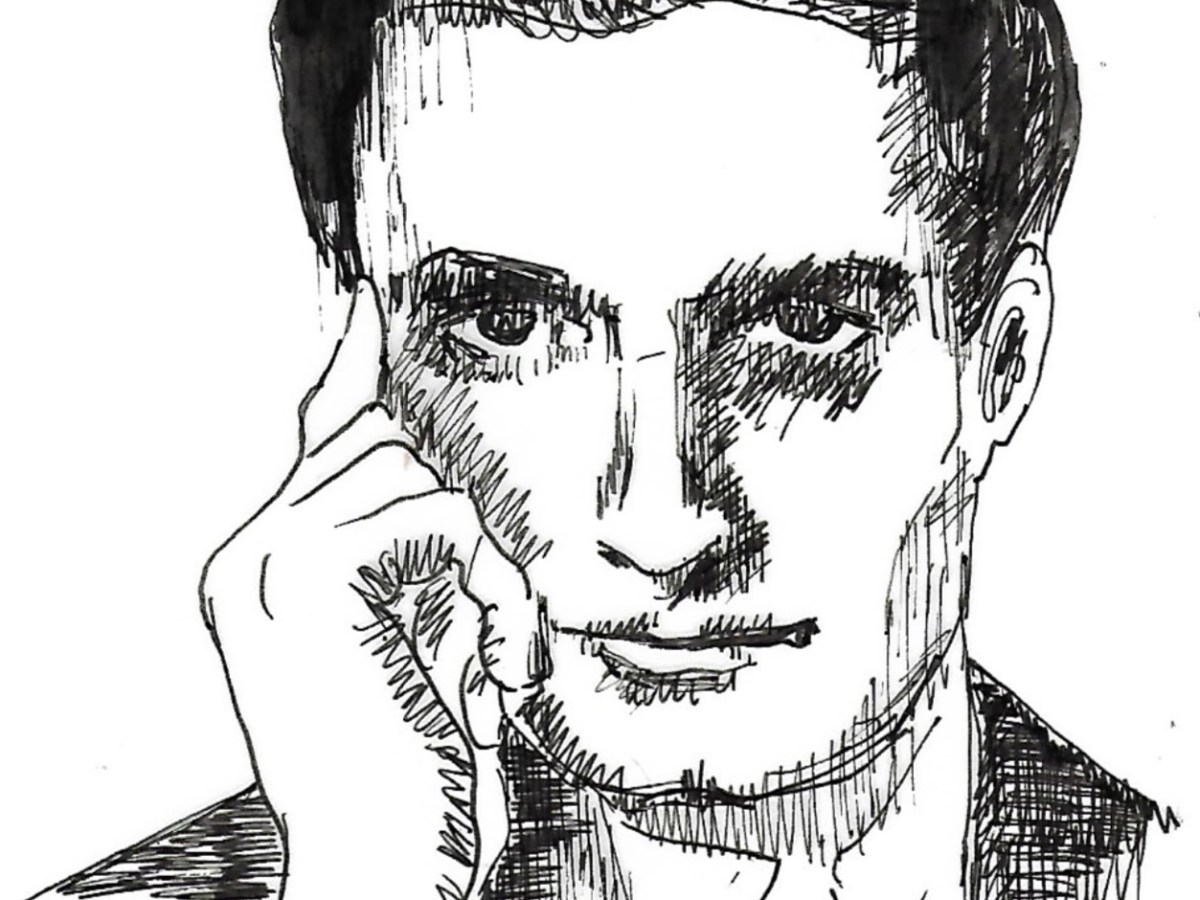
The art of Dinu Lipatti
Liveliness is an essential characteristic of Lipatti’s playing. With the Romanian pianist, time never seems to stand still. At first, there is something calmer, without being frozen – which would be in contradiction with the moving and temporal character of the music. Some performers place their interpretations in a moment…
Keep reading

A few words about a historical approach to historic recordings
Emile Berliner with his recording gramophone. The sound identity is part of the record. Certain technical constraints, such as the medium and its limitations, microphone placement and the sound spectrum, shape and modulate this sonic identity. And the performer is obliged to adapt to them. But these conditions have changed…
Keep reading
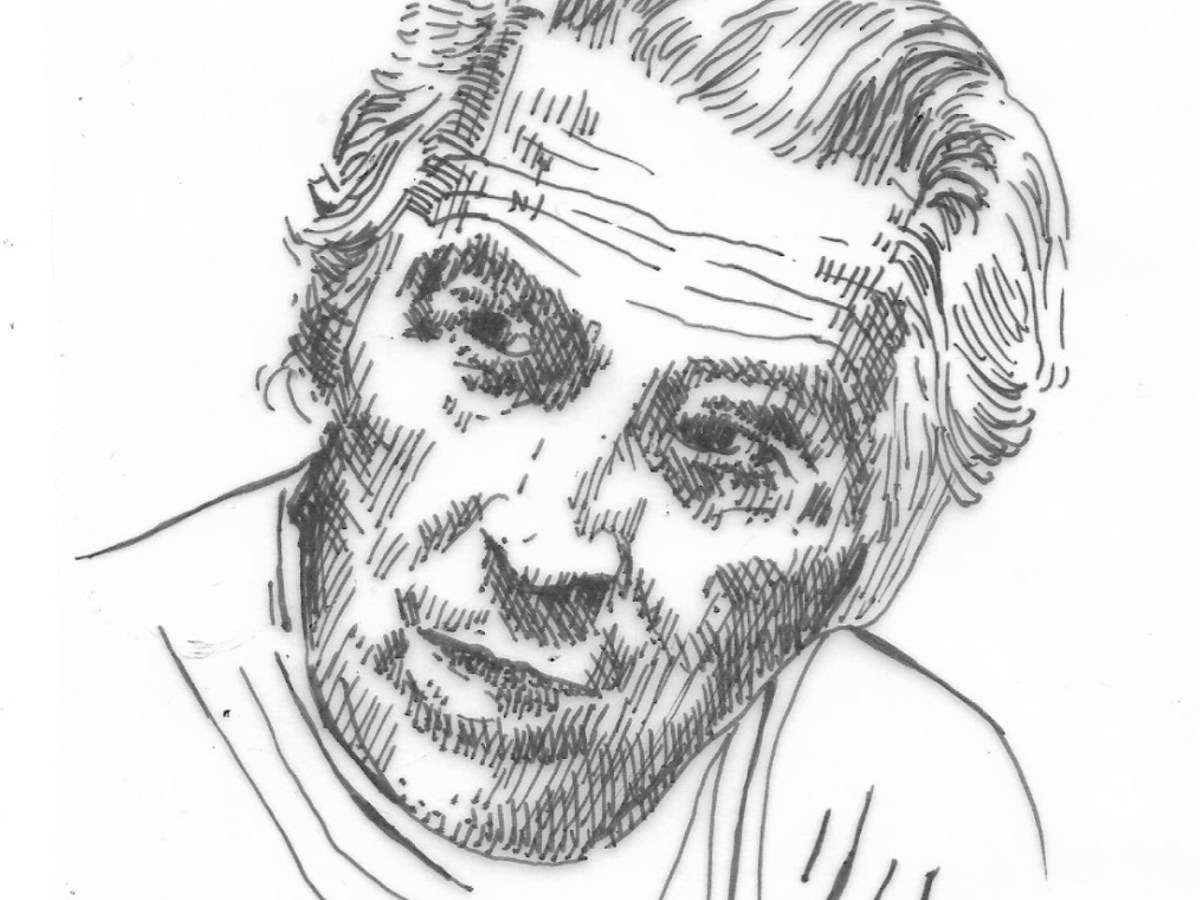
A legendary recording: Rudolf Kempe conducts the ideal Brahms Third in 1960
Rudolf Kempe is not the most talked-about conductor, and yet! Of course, Kempe’s name is still associated with Richard Strauss, and he was one of the greatest interpreters of his orchestral works, alongside conducting giants such as Herbert von Karajan and Fritz Reiner. The symphonic poems and symphonies were perhaps…
Keep reading
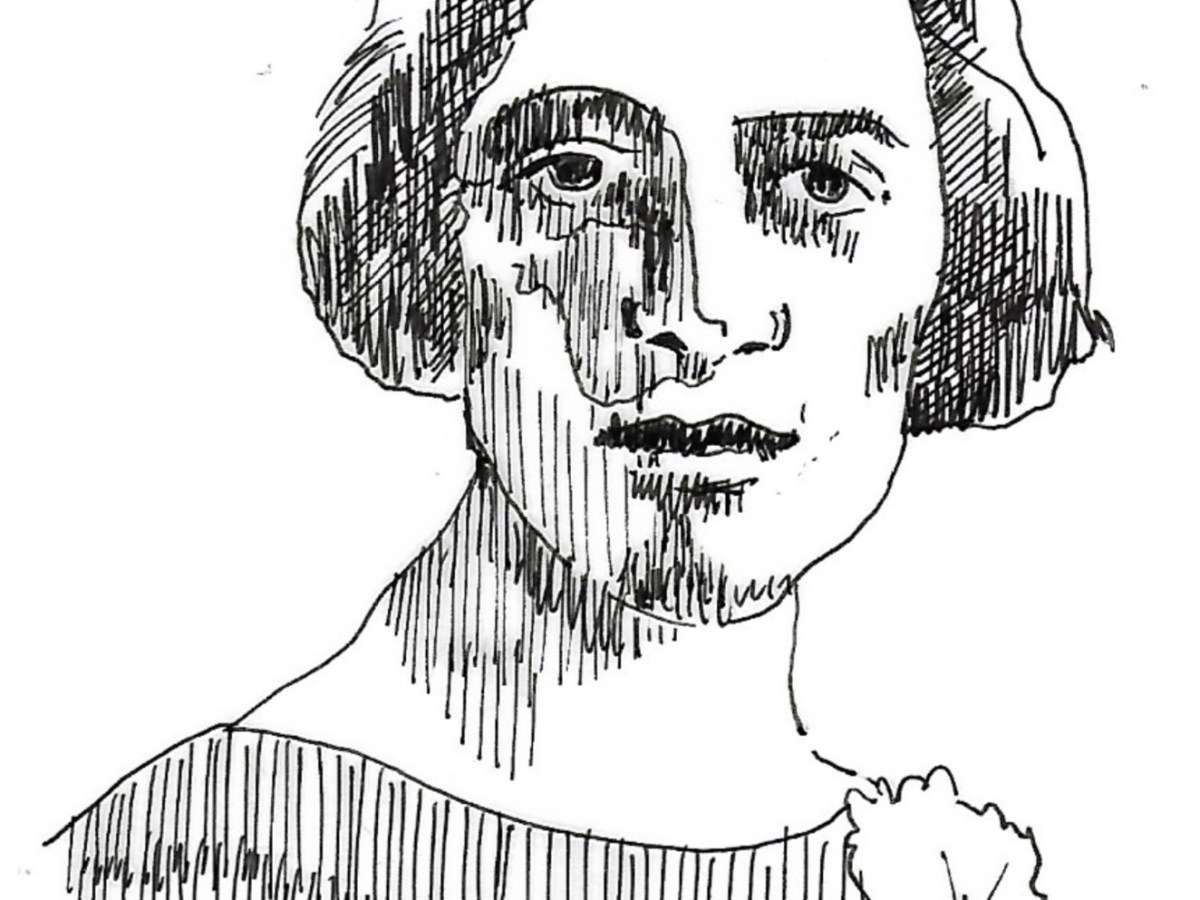
The art of Marcelle Meyer
When we try to identify a form of « French piano tradition » – which is sometimes already debatable – we often tend to speak of « pearl playing ». Marcelle Meyer’s style lies in a way of linking this pearled playing to an extraordinary expressive power, with notably an infinite palette of nuances…
Keep reading
Alfred Cortot commenting Beethoven’s Pathetique Sonata
At the École Normale de Musique de Paris, on 11 January 1958, 3 May 1959, 13 and 14 June 1960, Alfred Cortot recorded this commentary with musical examples explaining Beethoven’s ‘Pathétique’ Sonata. Here is the transcription.First, here is the original version, the English version is available just below. The Masterclass…
Keep reading
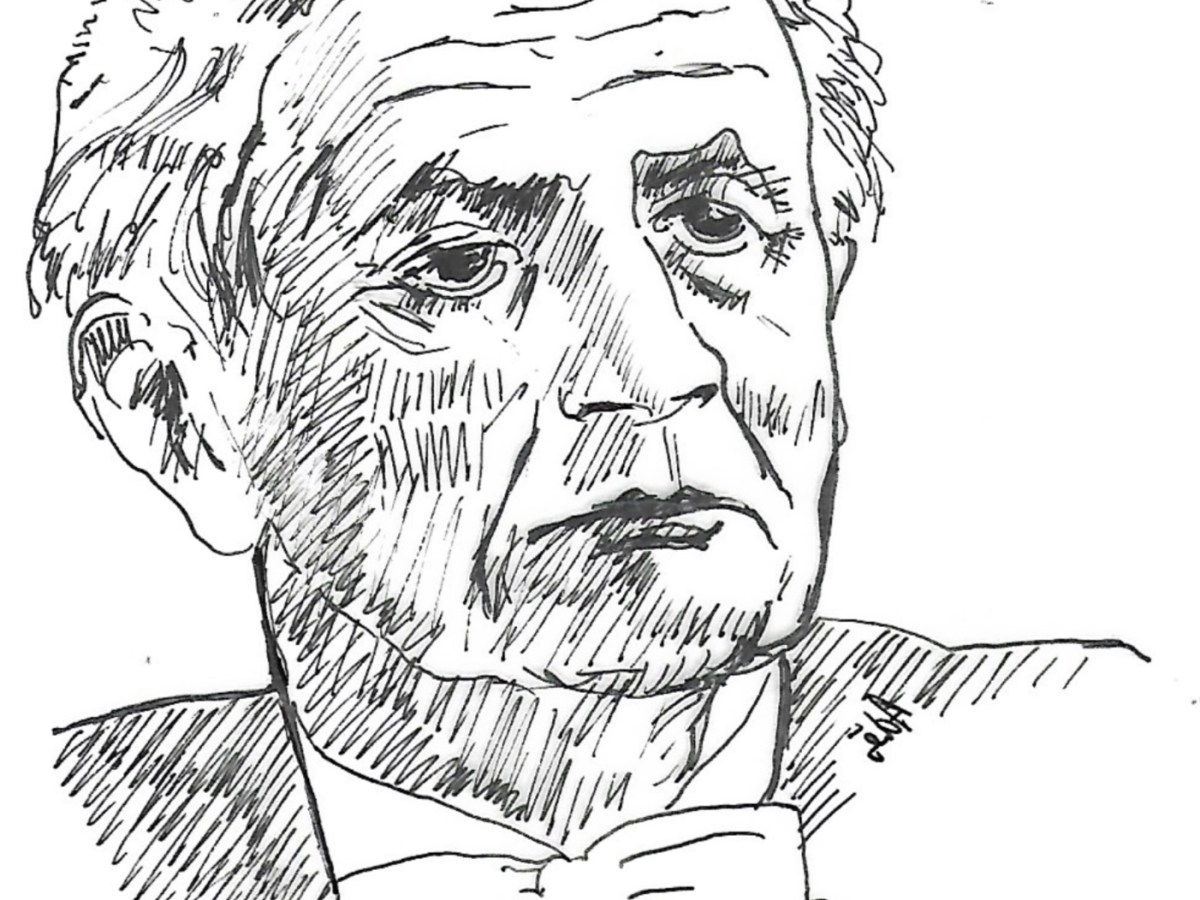
A legendary recording: Kempff plays Beethoven’s «Hammerklavier» Sonata in 1936
It is astonishing to note that Wilhelm Kempff’s style has only become wiser. However, it would be more accurate to say that it was a step towards wisdom. In the great German master’s late recordings, ardour has given way to idealism, but imagination has never dried up. Where many pianists…
Keep reading
Brahms’ fourth, a discography
Table of content THE HISTORICAL VERSIONS: Fiedler, Weingartner, Mengelberg, De Sabata, Toscanini, Furtwangler, Kletzki, Abendroth, Busch THE GOLDEN AGE: Karajan, Walter, Beinum, Jochum, Stokowski, Klemperer, Reiner, Knappertsbusch, Schuricht, Bohm, Mravinsky, Schmidt-Isserstedt, Kempe, Szell, Kubelik, Gielen, Rosbaud, Bernstein, Sanderling, Celibidache, Giulini THE MODERNS: Kleiber, Haitink, Muti, Wand, Abbado, Mackerras, Chailly, Rattle,…
Keep reading
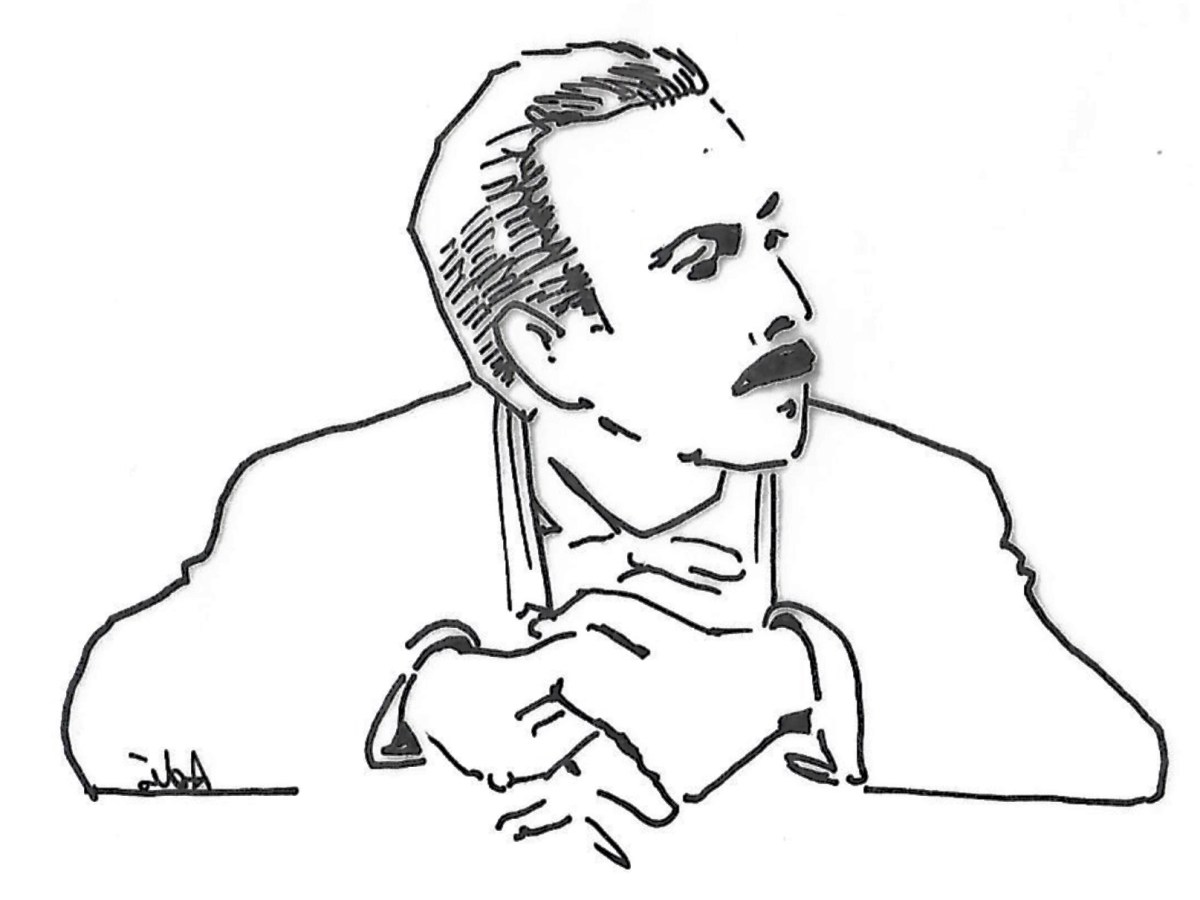
The art of Claudio Arrau
There is something elusive about Arrau’s art. His interpretations seem to take on an additional dimension with each new listening, and one seems to understand new meanings, sometimes radically different from the previous ones, as one moves through the pianist’s considerable discographic legacy. Arrau is a Chilean pianist, but it…
Keep reading

Alfred Cortot masterclass on Beethoven’s Appassionata ( transcribed and translated by Bruno Pancek & Roy Howat )
At the École Normale de Musique de Paris, on 21 and 24 march 1958 and 8 June 1959, Alfred Cortot recorded this commentary with musical examples explaining Beethoven’s ‘Appassionata’ Sonata. Here is the English transcription by Bruno Pancek and Roy Howat. Special thanks to Inbar Rothschild. 10’-16’Beethoven himself has given…
Keep reading
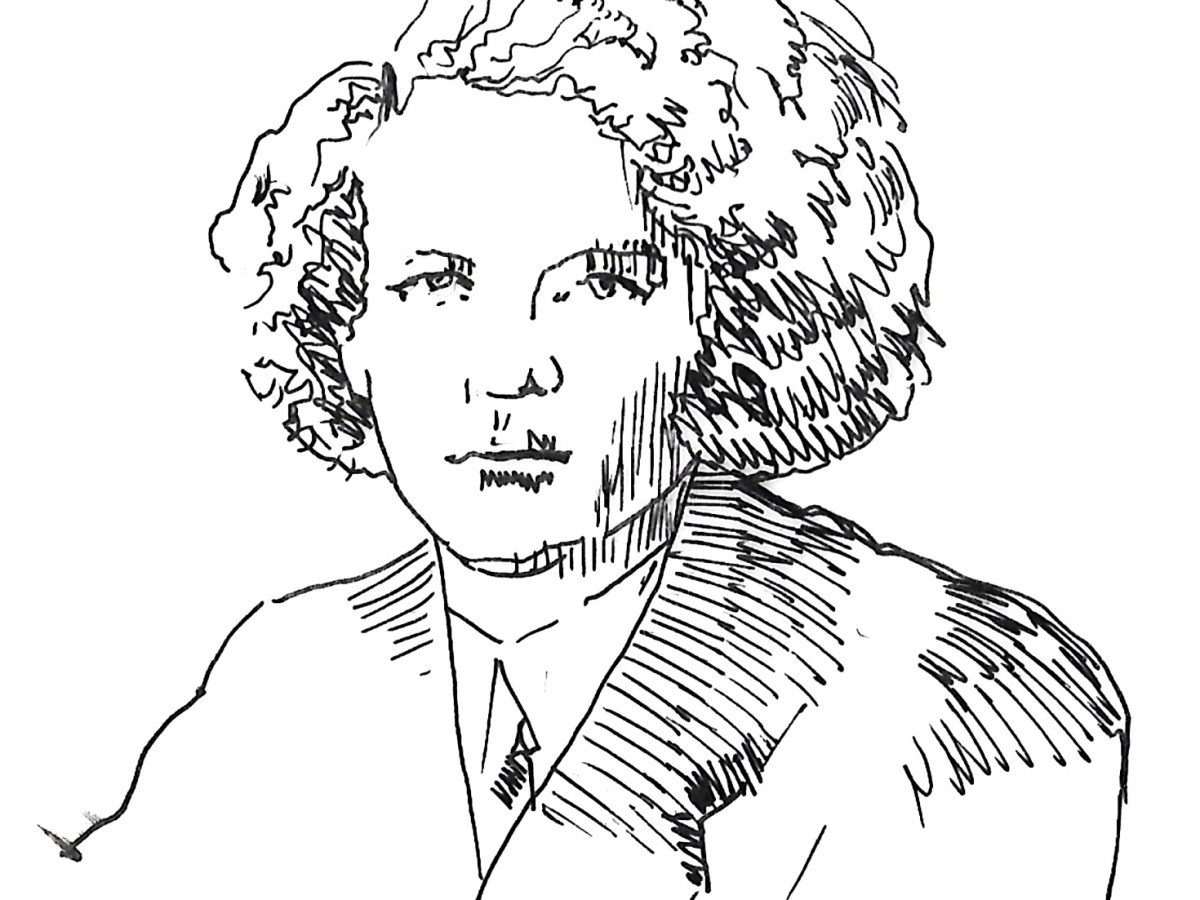
Wilhelm Backhaus, a portrait
Wilhelm Backhaus is often described as the embodiment of the traditional pianist, sometimes a little austere, a little cold, and in any case it is neither joy nor virtuosity that comes first to those who speak of him. Yet Backhaus’ playing appears to be much more complex than it is…
Keep reading

Beethoven’s Seventh : a discography
The historical versions Felix Weingartner delivers a sharp, and in a sense rather acidic, vision of the Seventh in a complete work that was a landmark because it was the first. The chords are marked, there is a remarkable clarity of line and the ensemble sings rather well. For all…
Keep reading
Comparison : Schubert’s « Great » Symphony
This is a symphony that has unleashed passions. Although it was Mendelssohn, to whom Schumann entrusted the score he had come across on a trip to Vienna, who premiered the work in Leipzig, the symphony, which lasts almost an hour, was no less revolutionary. The Austrian composer’s masterpiece marks a…
Keep reading
 Sofronichrist